
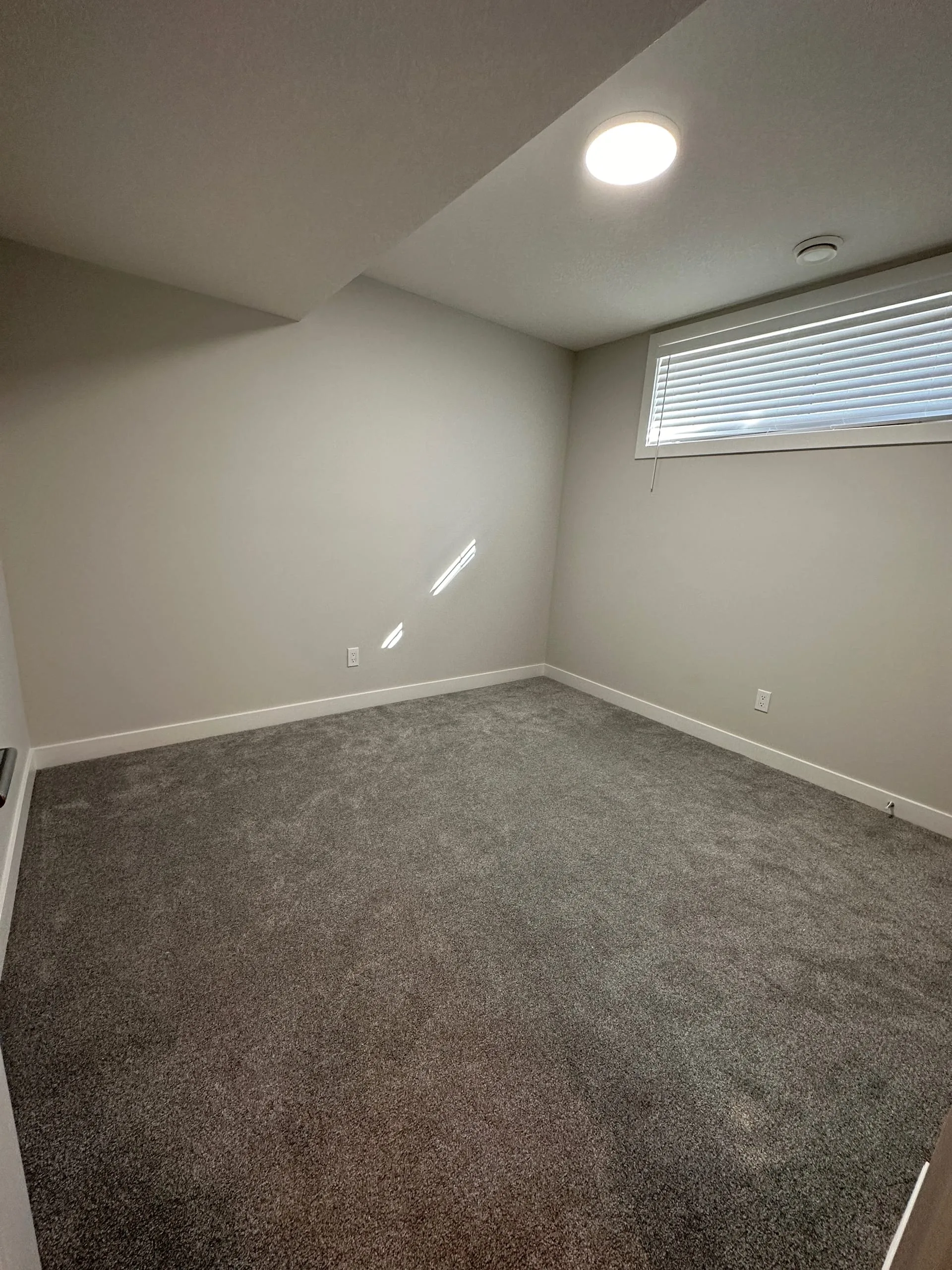
Short answer: it depends on the address and scope. New walls, bedrooms, electrical, plumbing, HVAC, structural work, egress, or a secondary-suite use can trigger one or more approvals. Confirm the current City path before budgeting or starting work.
Do You Need a Permit to Finish a Basement in Calgary?
The useful answer is: check the scope first. A lifestyle finish may follow a different path from a legal secondary suite, and the City, not a generic article, decides which approvals apply to the address. This guide explains the questions to take to the City or project team.
When Permits Are Required in Calgary
Work that commonly needs a permit or City review includes:
- Creating a secondary suite (separate kitchen, bathroom, entrance), subject to the current suite and land-use path
- Adding a bedroom or changing room use where the current requirements are triggered
- Increasing floor area or changing the exterior footprint
- Altering structure, load paths, or foundation conditions
- Installing or changing an egress opening
- Modifying electrical, plumbing, or mechanical systems
You may need permits if you are:
- Installing a wet bar or kitchen-like fixture where the use or servicing changes
- Finishing larger areas, depending on the work and existing approvals
- Adding a bathroom or changing room use
You likely DO NOT need permits if you are:
- Painting, flooring, or other cosmetic work may be exempt when no regulated system or structure changes; confirm before relying on that assumption
- Non-structural partition work may follow a different path, but the address and scope still control
- Fixture replacement may be exempt or may require trade review depending on the work
Grey-area reminder: “Minor work” is not a universal category. Ask the City or a qualified project professional before treating a basement renovation as permit-exempt.
The Two-Permit Process in Calgary
1. Development Permit (Planning Layer)
The Development Permit ensures your project fits zoning, lot coverage, setback requirements, and overall planning goals.
- Timing: City-controlled; check the current review guidance for the address and proposal
- Cost: Confirm the current City application fee
- Required documents: Site plan, floor plans, zoning info
- Approval: The City reviews the application against the requirements that apply to the address and scope; the outcome is City-controlled
2. Building Permit (Construction Layer)
The Building Permit ensures all work meets Alberta Building Code standards (electrical, plumbing, structural, fire safety, egress, etc.).
- Timing: City-controlled and dependent on the application, any required development approval, and revisions
- Cost: Confirm the current City fee schedule for the scope
- Required documents: Detailed drawings, electrical plans, structural calcs (if required)
- Inspections: Applicable inspection stages depend on the approved scope and current City process; confirm them for the property
Do not treat a generic total cost or timeline as a quote. The City controls fees, review queues, inspection stages, and any conditions that apply to the property.
| Permit or stage | Purpose | Cost | Timing |
|---|---|---|---|
| Development Permit | Land-use and planning review where required | Confirm current City fee | City-controlled |
| Building Permit | Construction and safety review where required | Confirm current City fee | City-controlled |
| Trade permits and inspections | Electrical, plumbing, HVAC, or other stages where required | Confirm current requirements | Scope- and queue-dependent |
| Total | Do not assume a universal total | Confirm for the address and application |
What Happens If You Skip a Required Permit
Starting work without an approval that the City requires can create a compliance problem. Depending on the property and scope, the owner may need additional inspection, documentation, revisions, or corrective work. Unpermitted work can also create questions for a future buyer, lender, or insurer; their decisions depend on the facts and policy.
The City controls the remedy and any fees or enforcement. Do not rely on invented fine amounts, resale discounts, insurance outcomes, or rental-loss estimates. Confirm the current requirement before work begins and retain the permit and inspection records.
Permit Costs Breakdown (Confirm Current Amounts)
| Cost Category | Planning treatment | Notes |
|---|---|---|
| Development Permit Application | Confirm current City fee | Requirement depends on the land-use path |
| Building Permit (basement suite or major finish) | Confirm current City fee | Fee depends on the application and scope |
| Trade permits and inspections | Confirm current requirements | Stages vary by electrical, plumbing, HVAC, and scope |
| Contractor coordination | Written-scope item | OAF identifies whether coordination is included |
| Drawings / Engineering (if required) | Scope-dependent allowance | Confirm the professional work required for the design |
| Total | Do not assume a universal amount | Confirm the current City and project scope |
The City fee is only one part of the planning conversation. Compare the required approvals, drawings, trade work, inspections, and written scope rather than relying on a headline total.
The Inspection Process (What Inspectors Look For)
Once a required Building Permit is issued, the applicable inspection stages depend on the approved scope and current City process. Common checkpoints can include:
Common checkpoint: Framing / Rough-In (where required, after framing and before drywall)
Inspector checks:
- Structural integrity (beams, posts, columns underpinning if needed)
- Floor joists and load-bearing walls
- Ceiling height and room use against the applicable requirements
- Egress window wells (size, accessibility, drainage)
- Rough electrical and plumbing runs
Common review questions: Ceiling height, egress, structural changes, and whether the installed work matches the approved drawings.
Common checkpoint: Electrical / Mechanical (where required, after wiring and before panels are covered)
Inspector checks:
- Electrical panel capacity and dedicated circuits for suite
- Outlet spacing and grounding
- HVAC zoning and ductwork
- Plumbing vents and traps
Common review questions: Service capacity, circuit separation where required, mechanical design, and venting.
Common checkpoint: Plumbing (where required, after plumbing is installed and before concealment)
Inspector checks:
- Drain slopes and venting
- Water supply isolation and backflow prevention
- Fixture installation (sinks, toilets, showers)
Common review questions: Drainage, venting, isolation, and the approved fixture layout.
Common checkpoint: Final (where required, after the approved work is complete)
Inspector checks:
- Fire separation (drywall thickness, gaps sealed)
- Egress window operation and clearance
- All fixtures functional
- Overall code compliance
Common review questions: Fire separation, egress, completed fixtures, and conformity with the approved scope.
Planning tip: Schedule the applicable inspections at the stage the City requires and keep the approved drawings available. If comments arise, correct them before covering the work and confirm the re-inspection process with the City.
Why Permit Review Matters
Permits and inspections create a record of the approved scope and the work reviewed by the authority having jurisdiction. That record may matter to a future buyer, lender, insurer, or occupant, but each party makes its own decision. Do not promise a percentage change in value, financing access, insurance coverage, rent, or avoided cost; verify those questions with the relevant professional.
Timeline: From Permit Review to Handover
The sequence can include design and application preparation, any required development review, building and trade permits, inspections during construction, corrections or re-inspection, and final documentation. The address, scope, City queue, revisions, selections, trades, and site conditions control the actual timeline. Use the basement-development timeline guide for planning questions, then replace generic durations with a written project allowance.
The Bottom Line
Permit requirements are not optional when the City requires them. Confirm the applicable path before starting, keep the approvals and inspection records, and ask your lender, insurer, or advisor how documentation affects your situation.
We Manage the Permits
For projects we build, our team can help coordinate the applicable development, building, electrical, plumbing, and HVAC permit steps. The City remains the permitting authority, and the homeowner should retain the permit records and confirm the scope with the project team.
📨
Stay Ahead of the Curve
Join Calgary homeowners getting insider renovation tips, market updates, and exclusive cost data. Weekly. No fluff.
Get Weekly Insights
Welcome aboard! Check your inbox for a confirmation email.
Unsubscribe anytime. We respect your inbox.
💰 Planning Your Budget? Understanding permit costs is just one piece. See the complete Calgary Legal Suite Cost Guide 2026 for scope drivers and planning ranges. If an incentive is relevant, check the current City program status and eligibility before including any amount in your project math.