
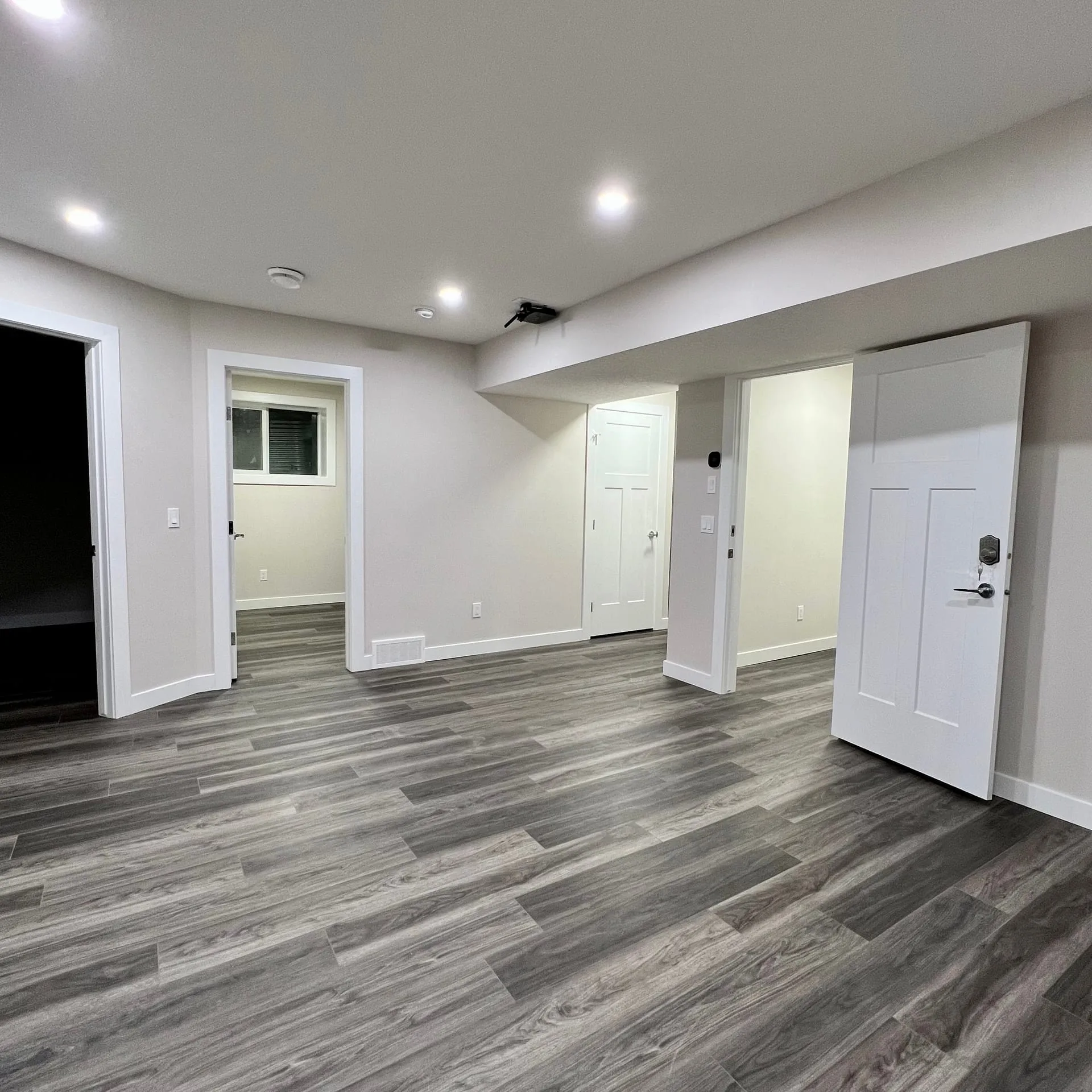
Building a legal suite is the easy part. Becoming a landlord is harder than most Calgary homeowners expect. This article covers the stuff nobody talks about: RTA regulations, tenant screening, insurance gaps, maintenance headaches, and the emotional rollercoaster of being a small landlord. Because cash flow looks great on a spreadsheet until it’s 11 PM and you’re fixing a broken toilet.
RTA Obligations: Your Legal Responsibilities
Alberta’s Residential Tenancies Act (RTA) governs your relationship with tenants. You must comply or face legal penalties, fines, and tenant claims. Here are the big ones:
Security Deposits
You can collect a security deposit (max = 1 month’s rent). You must:
- Hold the deposit in a separate trust account (not your personal account)
- Return the full deposit within 30 days of tenancy end, OR provide itemized deductions for damages
- Pay 2% annual interest on the deposit (this is required, not optional)
Many small landlords mess this up, then face claims from tenants for improper interest or refunds. Get it right from day one.
Rent Increases
You can only increase rent once per 60 months, and only by the percentage set by the government (check Alberta’s annual guideline. It varies). You must provide 90 days’ notice. Increasing rent illegally is a violation that can force you to repay the difference.
Repairs & Maintenance
You are legally obligated to maintain the property in a state of good repair. This includes:
- HVAC systems (heating/cooling)
- Plumbing (working fixtures, no leaks)
- Electrical (safe operation)
- Structure (roof, walls, foundation)
- Safety items (smoke detectors, fire extinguishers)
If you neglect maintenance and a tenant withholds rent, they can win in an RTA dispute. You cannot ignore repair requests.
Entry Rights
You cannot enter the suite whenever you want. RTA rules require you to give 24 hours’ notice (48 hours in some cases) for non-emergency entry. Surprise inspections or entries for no reason violate tenant rights.
Eviction Process
Evicting a non-paying tenant is not simple. You must:
- Provide notice in writing per RTA requirements (typically 14 days for non-payment)
- File with the RTA if tenant doesn’t vacate
- Attend a hearing (tenant can fight it)
- Wait for the order (dispute resolution takes weeks)
- Engage a bailiff if necessary (costs money)
Total time to evict: 2 to 4 months. Costs: $1,500 to $3,000+ in legal/bailiff fees. And if the tenant has been there less than 5 years in the same building, you may owe additional compensation if evicting for own-use.
Tenant Screening: The Difference Between $1,400/Mo and Nightmares
Tenant quality is the #1 factor in your landlord success. A good tenant pays on time, respects the space, and stays 2+ years. A bad tenant trashes the place, stops paying, and costs you $10,000+ in damages and lost rent.
What to Screen For
- Employment: Call their employer directly (don’t rely on offer letters). Verify they’ve been there 6+ months. Ask about their position and income.
- Rental history: Call previous landlords and ask: “Would you rent to them again?” If they hesitate, there’s a story.
- Credit report: Order a credit check. Recent collections or evictions are red flags. Excellent credit isn’t mandatory, but recent delinquencies matter.
- Criminal record: You can ask and request consent to check. Violent crimes or theft are disqualifying. Drug convictions are context-dependent.
- References: Get personal references (not family). A character reference from someone who’s known them 10+ years matters.
Red Flags
- Evasive about employment or references
- Multiple previous addresses in short time (high turnover risk)
- Recent eviction (huge red flag)
- Recent bankruptcy or collections
- Unwilling to sign a lease
- No verifiable employment (cash jobs are harder to verify)
- Paying in cash only, no bank account
Insurance & Liability: The Gaps Nobody Mentions
Your homeowner’s insurance does NOT cover a rental suite. You need separate landlord insurance, which is different from homeowner coverage.
What’s NOT Covered Under Homeowner Insurance
- Tenant injuries in the rental suite
- Tenant property damage claims
- Loss of rent if the suite becomes uninhabitable
- Liability claims from tenant guests
What Landlord Insurance Covers
- Liability if a tenant or their guest is injured in the suite
- Loss of rent if the property becomes uninhabitable due to a covered loss (fire, flooding)
- Malicious damage by the tenant
- Theft of landlord-owned fixtures or appliances
Cost: $400 to $700/year (varies by coverage and risk). It’s not optional if you’re renting. It’s essential.
Maintenance Reality: It Never Stops
You might think “I just built it, so nothing will break for years.” That’s not how it works.
Year 1 Issues (Most Common)
- Drywall cracks (settling, thermal movement)
- Paint touch-ups and scuffs
- Appliance adjustments or minor repairs
- HVAC seasonal adjustments (thermostat tuning, filter changes)
- Plumbing issues (clogs, leaks in seals)
- Floor covering damage or wear
Maintenance Budget
Plan for $1,000 to $2,000/year in maintenance and repairs (beyond emergency items). This includes:
- Seasonal HVAC servicing ($300 to $500/year)
- Plumbing issues, leaks, clogs ($200 to $800/year)
- Electrical repairs ($100 to $500)
- Paint touch-ups, caulking ($200 to $400)
- Appliance repairs ($200 to $800)
- Unexpected issues ($500 to $1,000)
This eats into cash flow. Your $1,400/month rent becomes $1,200/month after maintenance and insurance.
The Emotional Side: What Nobody Mentions
Tenant Conflicts Are Personal
Even good landlords have tenant conflict. Someone complains about noise, or claims the HVAC is broken (but it’s just the thermostat). Or they want to paint the walls (unauthorized). Or they’re late on rent and become evasive.
Unlike managing a commercial property, managing a suite in your own home feels personal. You’ll stress about it. You’ll rehearse conversations. You’ll second-guess yourself.
Turnover Stress
When a tenant moves out, you need to:
- Inspect for damages and document with photos
- Assess what needs cleaning, repairs, or repainting
- Coordinate contractors if there’s significant damage
- Prepare the unit for re-renting
- Screen new tenants
Average turnover time in Calgary: 2 to 4 weeks of vacancy. That’s $700 to $1,400 in lost rent per turnover.
The Night-Time Handyman Role
It’s 10 PM. The tenant calls saying the kitchen sink is clogged. Or the toilet is running. Or the heat isn’t working. Are you going to fix it yourself? Call a plumber at after-hours rates ($200 to $400 emergency call)? Wait until tomorrow?
You own the problem now. This is the reality of being a landlord. You’re on call for tenant issues.
FAQ: Becoming a Landlord
Can I evict a tenant for breaking a lease rule?
Not automatically. Minor violations (unauthorized painting, guest overstaying) can be handled with notices. Non-payment or serious violations (damage, illegal activity) lead to eviction. But the RTA process is lengthy (2 to 4 months) and requires proper notice.
What if a tenant stops paying rent?
Document non-payment. Provide RTA-compliant notice (14 days typical). If they don’t pay within that period, file with the RTA. Expect 4 to 8 weeks for a hearing and order. Eviction takes another 2 to 4 weeks. Total timeline: 3 to 4 months without rent.
Do I need a property manager?
Not for one suite. Property managers typically charge 8 to 10% of rent ($112 to $140/month) and handle tenant issues, maintenance, rent collection. Some landlords prefer the hands-off approach; others manage themselves.
What’s the biggest landlord mistake?
Failing to screen tenants properly. A $3,000 investment in thorough screening pays off in 10 years of trouble-free tenancy. Skipping screening to fill the vacancy quickly usually backfires.
Is landlording worth the stress?
For most Calgary homeowners with one legal suite, yes. The cash flow, property appreciation, and tax benefits outweigh the hassle if you screen tenants well and maintain the property. But if you’re uncomfortable with conflict or property management, a lifestyle basement may be a better fit.
📨
Stay Ahead of the Curve
Join Calgary homeowners getting insider renovation tips, market updates, and exclusive cost data. Weekly. No fluff.
Get Weekly Insights
Welcome aboard! Check your inbox for a confirmation email.
Unsubscribe anytime. We respect your inbox.
Get Your Free Guide
Enter your details below and we’ll send the complete guide straight to your inbox.
What are you planning? (optional) Legal Suite Development Basement Development Garage Development Commercial Project Not Sure Yet
Send Me the Guide Sending…
We respect your privacy. Unsubscribe anytime. No spam, ever.
✓
Check Your Inbox!
Your guide is on its way. While you wait, explore more resources below.